
Heavy Duty Pallet Racking: When Higher Capacity Pays Off
Heavy Duty Pallet Racking: When Higher Capacity Pays Off
When storage loads rise and uptime matters, heavy duty pallet racking becomes more than a warehouse upgrade—it becomes a capacity strategy.
For teams balancing safety, floor utilization, and long-term cost, the right system supports heavier SKUs and steadier throughput.
It can also reduce rack stress, forklift handling friction, and expensive layout compromises.
This article explains when heavy duty pallet racking creates measurable value and how to evaluate the investment with less guesswork.
Why Heavy Duty Pallet Racking Is Back on the Buying Agenda
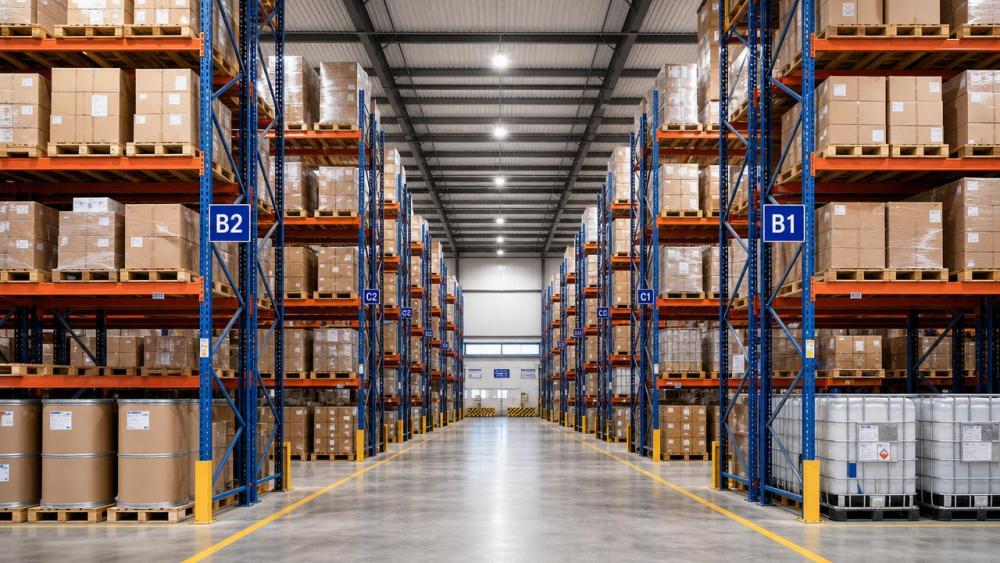
Warehouse profiles have changed. Pallets are often heavier, taller, and less uniform than they were a few years ago.
More facilities now mix bulk inventory, fast-moving reserve stock, imported goods, and oversized packaged materials in one building.
That shift puts pressure on standard racking. Beam deflection, impact exposure, and slot restrictions become harder to ignore.
Heavy duty pallet racking answers that pressure with stronger uprights, higher beam capacity, and better tolerance for demanding load cycles.
From a cost perspective, the appeal is simple. More stable storage reduces the hidden cost of handling workarounds.
Those workarounds often include floor stacking, partial palletization, off-site overflow, and repeated rack repairs.
In real operations, those issues show up as slower replenishment, blocked aisles, and growing safety review pressure.
That is why heavy duty pallet racking is increasingly assessed as a capacity and risk-control decision, not only a storage purchase.
When Higher Capacity Actually Pays Off
Not every site needs the highest load rating. The value appears when heavier inventory creates recurring operational friction.
A good buying decision starts with specific triggers rather than generic assumptions.
- Average pallet weights are rising because of denser materials, larger case packs, or export-ready packaging.
- Current racks force selective slotting, leaving usable vertical space empty.
- Forklift operators report difficult placement, beam interference, or damage risk on heavier lanes.
- Seasonal peaks create overflow inventory that ends up on floors or in temporary staging zones.
- Insurance, compliance, or engineering inspections are flagging structural concerns.
If two or more of these conditions are present, heavy duty pallet racking often produces a stronger business case.
The payoff is usually seen in four areas: denser storage, safer handling, fewer interruptions, and lower corrective spending.
More importantly, higher capacity gives planners more freedom. Slots can be allocated by flow logic instead of structural limitation.
That flexibility matters in mixed-SKU environments where demand profiles change faster than warehouse layouts.
Cost Drivers Behind Heavy Duty Pallet Racking
Heavy duty pallet racking costs more upfront, so the question is not price alone. The real question is cost over service life.
A lower initial quote can become expensive if it limits load flexibility or increases repair frequency.
The main cost drivers usually include material grade, steel thickness, upright profile, beam length, decking type, and seismic requirements.
Installation complexity also matters. Floor condition, anchoring, row spacers, rack protection, and layout constraints can change project cost quickly.
Still, the biggest hidden variable is often future adaptability.
If a system cannot support heavier SKUs next year, the site may pay twice through retrofits or partial replacement.
A practical review should compare purchase price with avoided overflow cost, reduced maintenance, and improved slot utilization.
Operational Gains Beyond Simple Load Capacity
The phrase heavy duty pallet racking sounds purely structural, but the operational effect is broader.
A stronger rack system can improve how forklifts move, how replenishment is scheduled, and how inventory is distributed by zone.
That means the return may come from process improvement as much as from storage density.
- More consistent slotting for heavy or high-value goods.
- Less floor congestion from overflow pallets.
- Lower rack damage exposure in high-traffic aisles.
- Better use of cube space in taller buildings.
- Cleaner integration with WMS location logic and replenishment planning.
In facilities handling industrial parts, chemicals, appliances, paper, beverages, or export packaging, these gains are especially visible.
The same is true in e-commerce reserve storage where inbound pallets are heavy but outbound demand is variable.
From a logistics systems viewpoint, stronger racking also improves the reliability of upstream and downstream material flow.
That matters when throughput targets depend on stable replenishment to picking, sortation, or production staging areas.
How to Evaluate Suppliers Without Missing Risk
A heavy duty pallet racking project should not be awarded on load claims alone.
The safer approach is to verify engineering logic, manufacturing consistency, and after-sales responsiveness together.
- Confirm actual pallet dimensions, weight ranges, and load distribution patterns.
- Request detailed load calculations for each beam level and bay configuration.
- Check compliance with local codes, seismic rules, and relevant rack safety standards.
- Review steel finish, corrosion protection, and weld quality where applicable.
- Ask about lead times for replacement components and expansion parts.
- Evaluate installation supervision, inspection support, and damage reporting procedures.
This is also where total cost becomes clearer.
A slightly higher bid may be the better choice if it reduces downtime risk, supports expansion, and shortens repair response.
In practice, procurement mistakes often come from incomplete operating data rather than bad pricing.
So it helps to involve warehouse operations, safety personnel, and equipment managers before final comparison.
A Simple Business Case for Heavy Duty Pallet Racking
A useful business case does not need complex modeling at the start. It needs realistic operating inputs.
Begin with today’s pallet count, overflow frequency, rack repair cost, and lost space caused by load restrictions.
Then compare those numbers against a heavy duty pallet racking layout with higher bay utilization.
- How many additional pallet positions are created?
- How much overflow storage cost can be avoided?
- How much labor is lost today to re-slotting and extra moves?
- What is the annual cost of rack damage and emergency fixes?
- What is the value of reducing safety exposure?
Even a rough estimate often shows whether the project pays back through space recovery alone.
If the site is expanding throughput or carrying heavier inventory, the case becomes even stronger.
That is the point where heavy duty pallet racking stops being a premium option and becomes a practical infrastructure decision.
Final Takeaway
Heavy duty pallet racking pays off when heavier loads create recurring space loss, handling inefficiency, or structural risk.
The best decisions come from matching real pallet data with engineering detail, operating flow, and future flexibility.
If current racks are driving overflow, damage, or slotting compromises, now is the right time to recheck the numbers.
A focused review of capacity, safety, and lifecycle cost can quickly show whether heavy duty pallet racking will return value in your operation.
Related News
- Can pallet racking be retrofitted for AS/RS integration in existing warehouses?Sep 11, 2026How does predictive maintenance reduce conveyor downtime? Discover how it ensures seamless AS/RS retrofit success—boosting uptime, ROI, and warehouse automation reliability.
- YLCSD350 Cutter Suction Dredger Specs That Matter in River and Port JobsAug 21, 2026YLCSD350 cutter suction dredger specs explained for river and port jobs—learn how pump, cutter, draft, wear design, and transport factors affect output, risk, and buying decisions.
- How to Evaluate Gantry Crane Structural Analysis for Load Cases and Deflection LimitsAug 06, 2026Crane structural analysis for gantry crane evaluation: learn how to verify load cases, stress results, and gantry crane deflection limits to compare suppliers, reduce risk, and choose a safer design.
- Heavy Load Handling Solutions: What to Compare for Steel, Machinery, and Mold TransportJul 15, 2026Heavy load handling solutions compared for steel, machinery, and mold transport. Discover how to assess safety, precision, routes, and total cost to choose the right system.